A thermal effluent decontamination system uses heat and pressure to sterilize liquid waste. This process is among the most effective and trusted methods of sterilization methods available, and can kill or deactivate all forms of biological material, including:
Microbes
Viruses
Spores
GM material
WHAT CAN BE CONNECTED TO AN EDS?
Thermal effluent decontamination systems can be connected to a wide array of plumbed equipment. Equipment can be plumbed into EDS directly, into a special sewerage system leading to the EDS, or into the main drain which is then connected to the EDS.
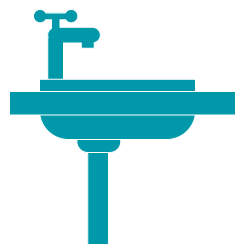
sinks, basins, and wet benches
drains and floor sluices
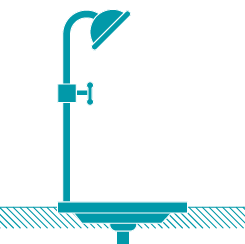
showers
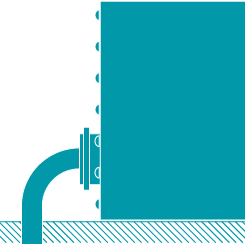
exhaust drains from equipment and machinery
WHICH INDUSTRIES USE THERMAL EDS?
Research, production and process facilities operating in industries such as life science, foods, agriculture, pharmaceuticals, medical and veterinary, as well as specialist laboratories dealing with dangerous chemicals, pathogens, bacteria and genetically modified material.
Pharmaceutical
Medical & Veterinary
Cosmetics
Laboratories & Research
Agriculture & Horticulture
Food & Beverage
WHAT IS AN EDS?
An Effluent Decontamination System (EDS) is a way of sterilizing potentially harmful liquid waste or sewage. It will employ a process of gathering and treating wastewater (typically using either chemicals or heated pressurised steam) to remove bacteria and contaminants in a controlled manner. Effluent types can vary but treatable sources often include water from sinks and washing facilities and any exhaust/water from sterilizers and process equipment within the containment area. All AstellBio EDS systems utilise steam sterilization methods and are chemical free.
HOW DOES IT WORK?
There are two main types of Effluent Decontamination System - continuous and batch sterilization.
Astell is probably best known for manufacturing batch Effluent Decontamination Systems - one of the most commonly used methods. Here one or more tanks is installed to collect waste. When one tank reaches a pre-set level, sterilization will begin. Upon completion the tank will be emptied. If more than one tank is available, collection will switch to an alternative tank whilst sterilization is in progress on the full one. In this way, collection of effluent is not delayed whilst sterilization is being performed.
The exact size of the tanks and the number required can be calculated based on the throughput, to ensure that the system is suited to an individual customer’s exact requirements. As the name suggests, continuous sterilization does not utilise tanks for collection of waste water. Instead the effluent is treated as it flows through the system. This method is only suitable for liquid without solids.
WHEN DO YOU NEED AN EFFLUENT DECONTAMINATION SYSTEM?
An effluent decontamination system can be used to sterilize:
genetically modified laboratory washdown and liquid waste.
animal room washdown.
surgical theatre liquid waste.
virology and bacteriology research facility liquid waste.
wastewater discharged in environmentally sensitive areas.
dangerous pathogens in high-containment biosafety laboratories.
Learn more about containment Level 2 and 3 effluent decontamination.
The risk from Category 1 organisms is deemed to be minimal and would not cause harm to a heathy human being, and can normally be treated with regular chemical and or heating treatment methods. Batch, continuous and chemical decontamination methods can be used.
CAT 2 / BSL2 / CL2
Risk from Category 2 is of pathogenic and infectious organisms that could cause a health and safety hazard hazard. The hazard would rarely be serious if medical assistance is available. Batch and continuous deconamination methods can be used for sterilization of facilities.
CAT 3 / BSL3 / CL3
Category 3 covers highly regulated containment areas that could be working with harmful human diseases, viruses and bacteria that would cause a serious health and safety hazard. Batch or continuous decontamination methods should be used.
SYSTEM TYPES: GRAVITY / PUMPED
There are different types of EDS systems but more importantly there are many types of installations. Some facilites are designed around the application and as such the area set out for the EDS will have been well thought out, often situated beneath the controlled area or laboratory where the effluent is being produced. However, this is not always the case and many plants have to be designed around the available space. Astell are experts in this field and we are happy to work with you to meet your needs. Where the EDS is located underneath the lab, batch EDS systems are often gravity fed, i.e. the effluent will be directed straight to the sterilization vessels (usually 2-3 vessels) eliminating the need for storage tanks.
As long as the operational hours and daily through put of waste water from the facility is known, the type and size of EDS system is easy to size. Where a basement or lower floor is unavailable to place the EDS, the systems processing equipment is usually positioned at the side of the containment facilty and the waste stream is pumped to the sterilzation tanks. This type would need a storage tank to cope with staggered flow and pumping rates. What ever the challenges of the application, Astell will recommend a solution.
CHEMICAL FREE EFFLUENT STERILIZATION
Astell utilises dry saturated steam and a combination of temperature and time to sterilize collected wastewater. No chemical treatment takes place, making AstellBio EDS an environmentally safe choice.
REPLACE AN EXISTING EDS WITH A FULLY FLEXIBLE ASTELLBIO UNIT
Digital process management with security and repeatability.
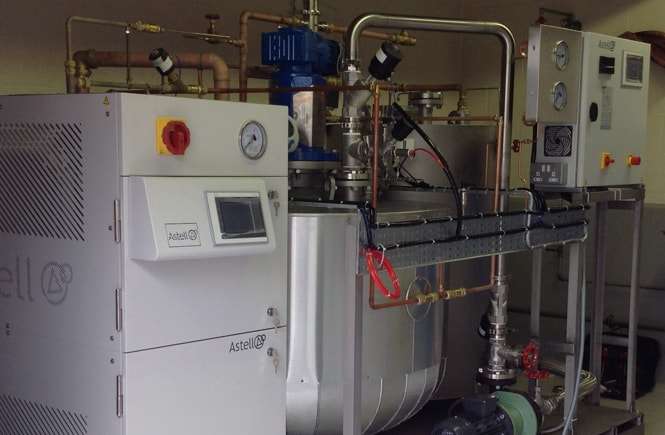
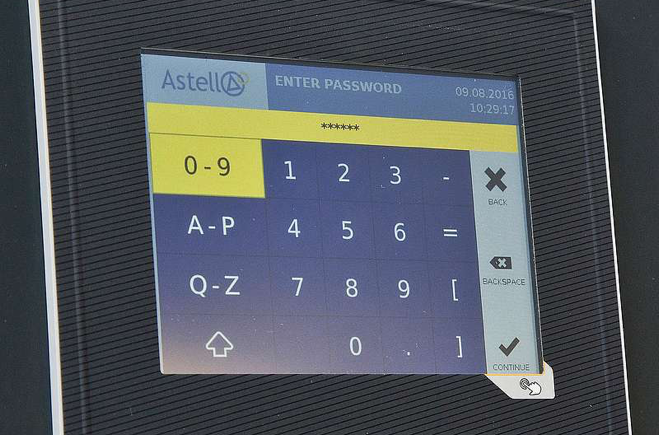
Astell supplies all its steam generators fitted with its unique PLC based touchscreen controller. It provides an easy-to-use interface for selecting and customising cycle data, changing machine parameters and reviewing the in-built archive capable of storing up to 5,000 previously run cycles. The touchscreen control module provides automatic operation and monitoring of the entire system, including data logs, alarms, and sensor information.
Using our modern manufacturing, materials and process control technology we are sure we can create the perfect Effluent Decontamination System for your requirements.