Water companies dispatching wastewater into waterways have once again made headlines, this time due to dry spilling. This practice involves discarding effluent in its pure state directly into waterways – a procedure that is only recommended when wastewater is diluted with an excess of rainwater. For ecologically conscious laboratories working with biologically active materials, this presents a unique concern.
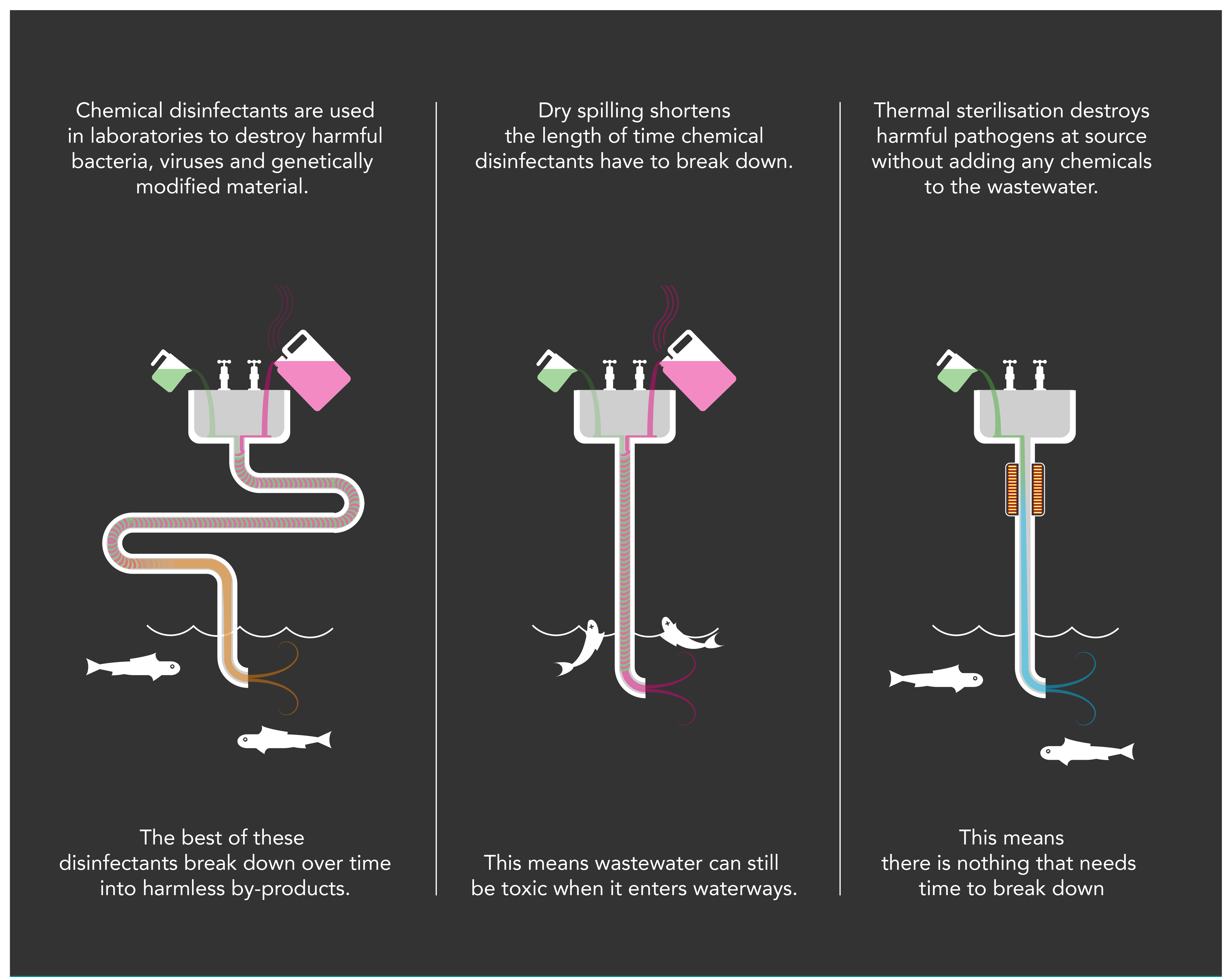
Laboratories dealing with genetically modified materials and hazardous pathogens decontaminate contaminated liquid waste before it is discharged into the drain. The decontamination process can be performed using various methods, with the most common being chemical and heat treatments. Chemical decontamination involves mixing liquid waste with a toxic substance to destroy the biological material. While highly damaging to aquatic life in their active state, the more ecologically sound of these chemical disinfectants break down into harmless byproducts, but this process takes time.
A fully functioning wastewater treatment system provides ample time for chemical sterilants to break down. The waste passes through miles of sewage infrastructure before storage and processing within a wastewater plant. However, when effluent is diverted directly into rivers and seas, the duration waste spends in the sewer system is greatly reduced, potentially allowing disinfectants to reach open water before breaking down, posing a mortal risk to aquatic life. As dry spilling increases the concentration of toxic disinfectants, the possibility of environmental damage near the waste outlet is significantly heightened.
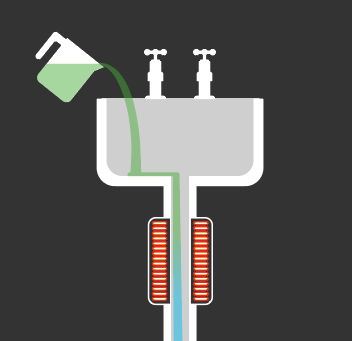
The alternative solution is heat sterilization. By heating liquid waste to over 121°C, biological material within it is deactivated, rendering the waste sterile. This procedure adds no chemicals to the liquid waste, eliminating the need for substances to break down over time. In case dry spilling does occur, thermal sterilization ensures there are no toxic disinfectants present in the wastewater. AstellBio liquid waste autoclaves and effluent decontamination systems offer wastewater sterilization without the use of chemical disinfectants.